
Perchloric Acid Decontamination
Perchloric acid decontamination prepares laboratory fume hoods, washdown systems and exhaust ductwork for maintenance or removal. We review the system history, define the assessment and cleanup scope, and provide verification records for your EHS team.

Perchloric Acid Fume Hood Cleaning
Perchloric acid fume hood cleaning addresses deposits that may remain inside the hood and its connected exhaust system. Heated perchloric acid can leave hazardous perchlorate deposits in ducts and fans. Our assessment considers past use, washdown records and accessible sampling locations before planning controlled decontamination and a documented handover.
Harvard's Chemical Hygiene Plan, revised March 27, 2026, identifies washdown systems as a control against the accumulation of shock-sensitive crystals in perchloric exhaust ducts. Harvard Chemical Hygiene Plan (opens in a new tab).
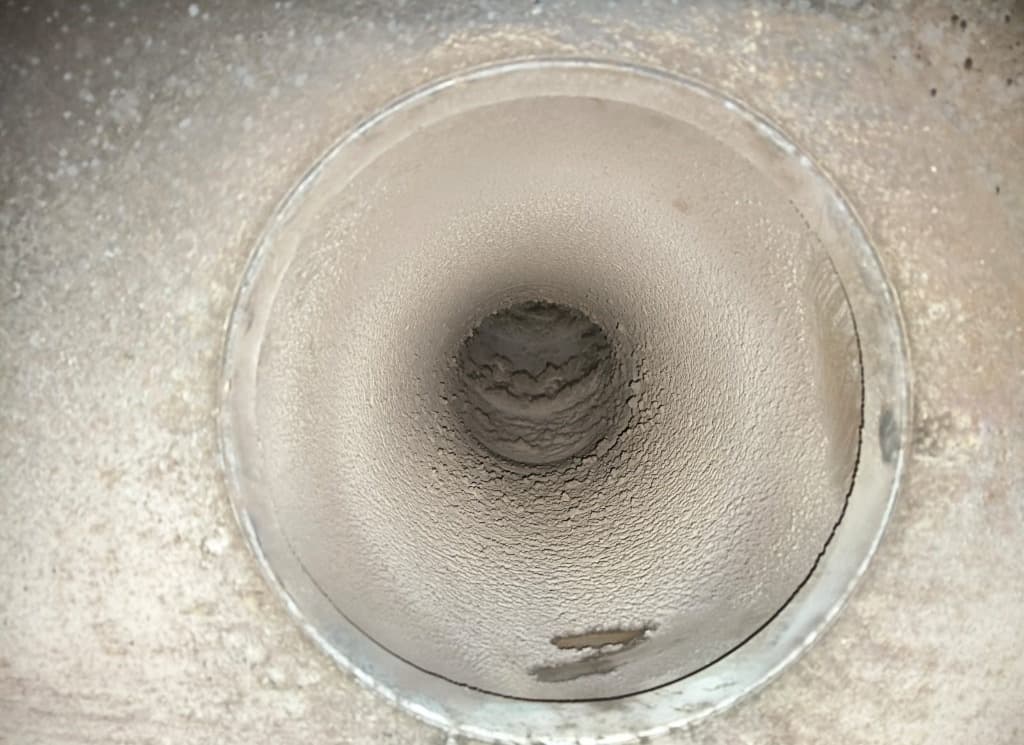
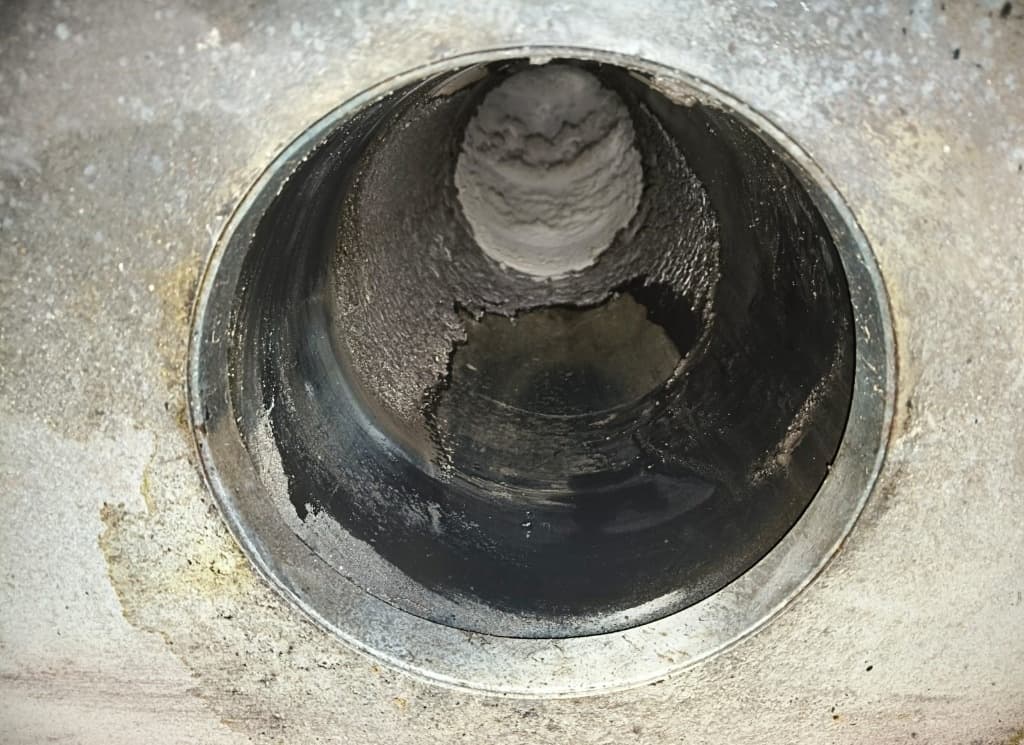
Perchlorate Salt Neutralization in Ductwork
A perchlorate salt neutralization and ductwork cleanup scope must account for the connected exhaust path. We review the hood, accessible duct sections, fan and washdown components with your facility team. Restricted access and unknown chemical history are recorded in the assessment.
Perchloric Acid Hood Washdown Service
A perchloric acid hood washdown service requires a plan for access, containment, collected liquids and verification. The treatment sequence depends on the system configuration and findings. We coordinate the work with facility and EHS staff before maintenance or demolition proceeds.
NEBB reports that methylene-blue screening can produce false positive and false negative results. Testing methods must be appropriate to the contamination and intended clearance decision. NEBB perchloric testing guidance (opens in a new tab).
Remove Perchlorate Crystals from Exhaust Fans
Projects that require technicians to remove perchlorate crystals from exhaust fan components need specialist planning. The work considers access, isolation, contamination and waste handling before the fan is serviced or dismantled.
Perchlorate Testing Before and After Treatment
The sampling plan identifies the areas tested, analytical methods and criteria used to assess the results. Field observations help direct the investigation, but appearance alone cannot establish the absence of perchlorate contamination.
Clearance Documentation for Demolition
Your clearance documentation records the work completed, sample locations, methods, findings and limitations. Your EHS and project teams review that information against the planned demolition or maintenance scope. A report applies to the areas assessed and the activity described; it does not establish the condition of inaccessible or untested components.
- System identification and areas included
- Treatment and verification records
- Applicable waste tracking documents
- Remaining restrictions and required follow-up
Perchloric acid questions
Need a more specific answer?
Talk to our team
What are the fume hood requirements for perchloric acid?
Heated perchloric acid work requires a hood and compatible exhaust system designed for that use, including a functioning washdown system. A standard chemical hood should not be assumed suitable. EHS must review the process and equipment requirements before use.
What is a perchloric acid washdown fume hood?
It is a hood designed for perchloric acid work with a water-wash system that rinses residues from designated hood and exhaust surfaces. Washdown helps prevent hazardous deposits from accumulating. It does not replace assessment of a legacy system before maintenance or demolition.
What are the dangers of perchloric acid in exhaust systems?
Perchloric acid use can leave hazardous perchlorate deposits in hoods, ducts and fans. Some deposits are sensitive to heat or impact. A system with known or suspected perchloric history needs specialist assessment before intrusive maintenance or removal.
How should perchloric acid washdown waste be disposed of?
Collected liquids and contaminated materials need an assessment of their composition and the applicable waste requirements. The project plan identifies collection, handling and disposal responsibilities. Do not assume washdown liquids can enter a drain.
How is a fume hood assessed for perchlorate contamination?
A specialist reviews chemical-use history, washdown records and accessible components, then defines sampling and laboratory analysis. Methylene-blue screening can produce false positives and false negatives. The report must identify tested locations and access limitations; results from accessible areas cannot establish the condition of every internal surface.
What records are needed before removing a perchloric hood?
The facility and demolition team should agree on the required assessment, decontamination, verification and isolation records before work starts. Your handover package documents the agreed scope, findings and any restrictions affecting removal.
Request Perchloric Acid Decontamination
Send the hood location, chemical history and planned work. We will define the assessment and documentation needed.
Perchloric acid