
Fume Hood Testing
Fume hood testing and certification measure airflow and containment against your facility's requirements. We provide equipment-specific findings, test records and follow-up recommendations for routine inspections, new installations and failed hoods.
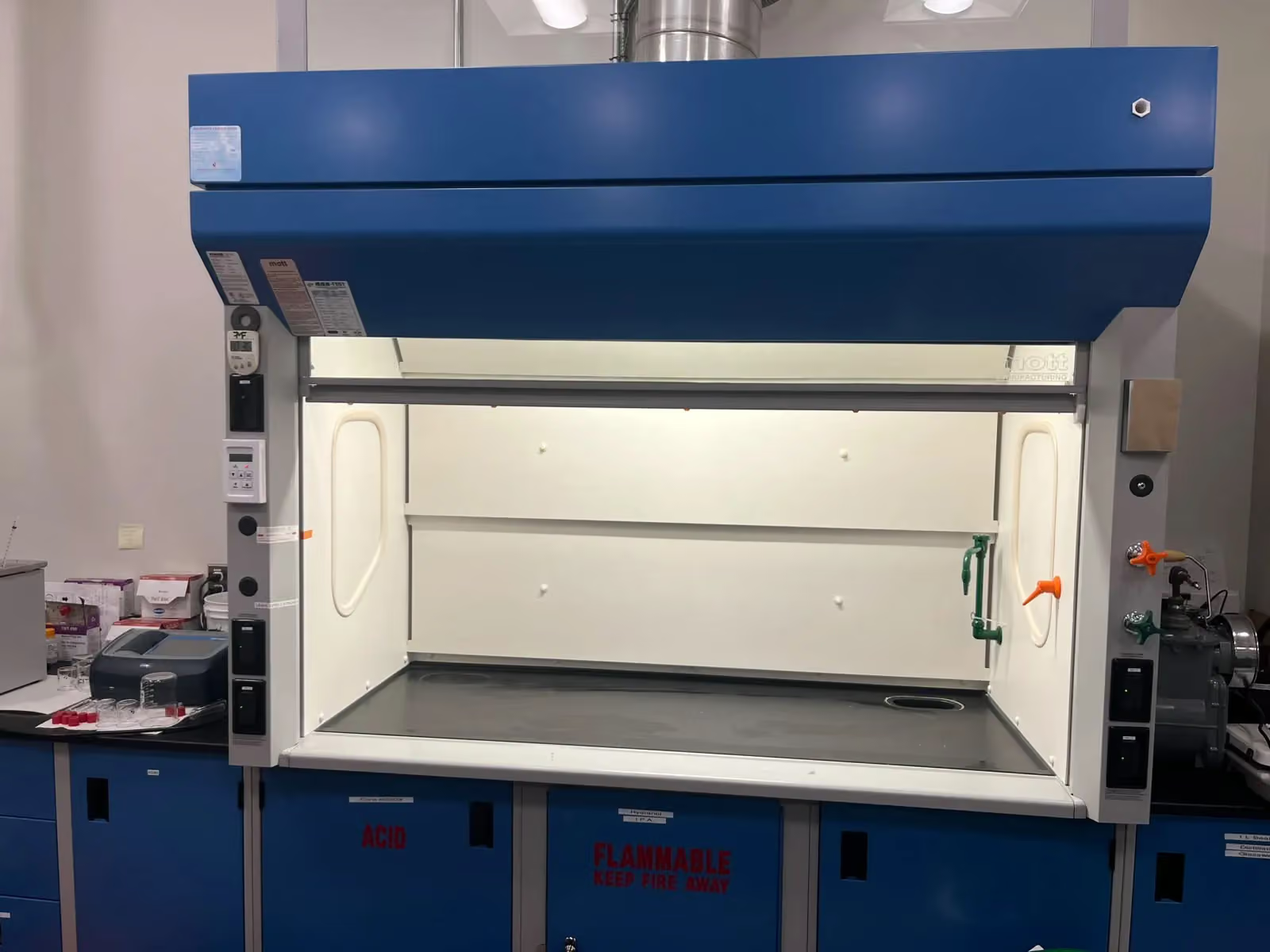
Fume Hood Certification
Our fume hood testing service helps EHS and facility teams arrange the right checks for their equipment. The scope can include face velocity measurements, airflow visualization, alarm checks and quantitative containment testing. Certification records identify the methods and criteria used to evaluate each hood.
The University of Alberta tests its campus chemical fume hoods annually. This is an example of an institutional testing program; your site's requirements determine its own schedule. University of Alberta engineering controls (opens in a new tab).
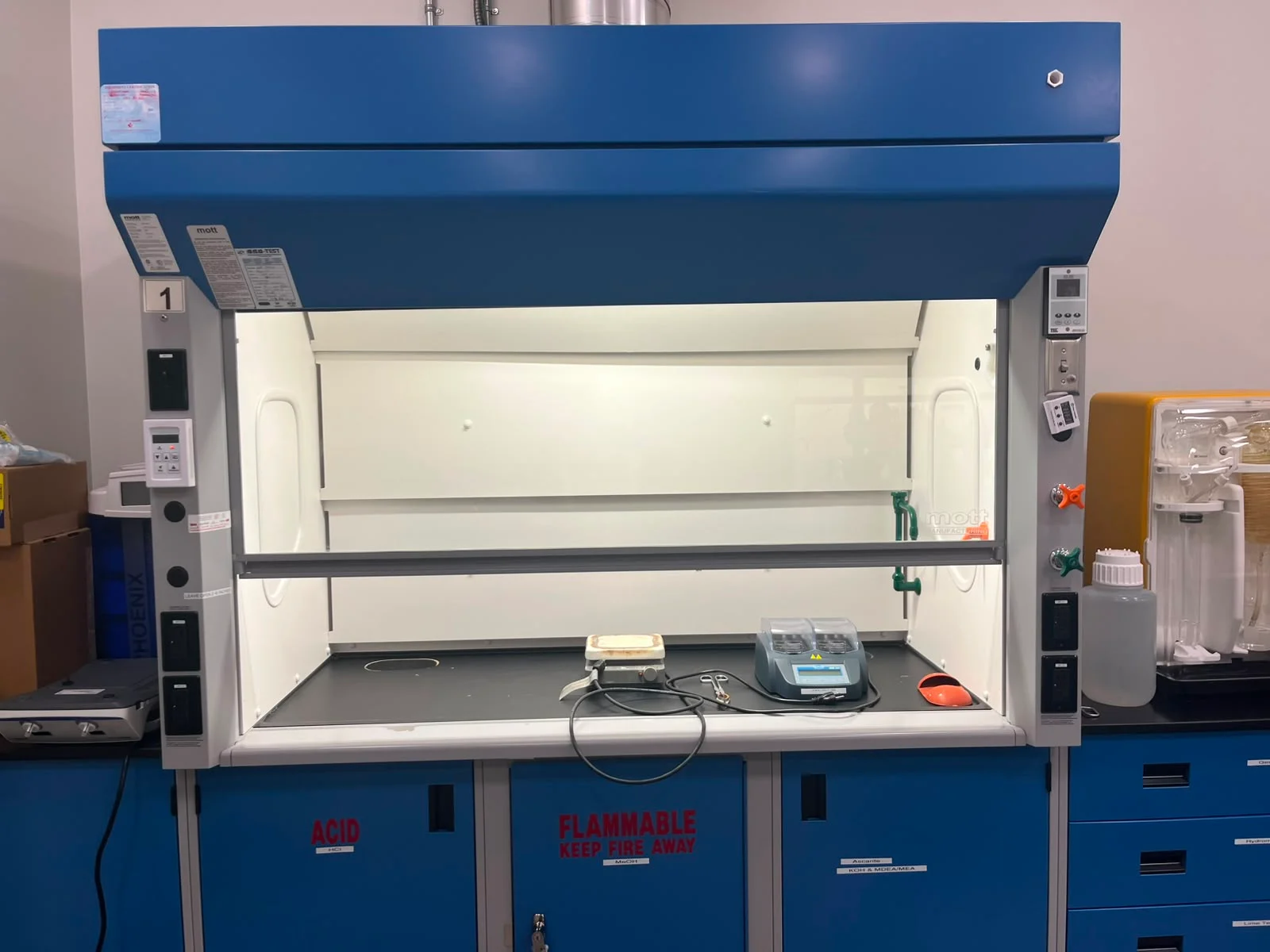
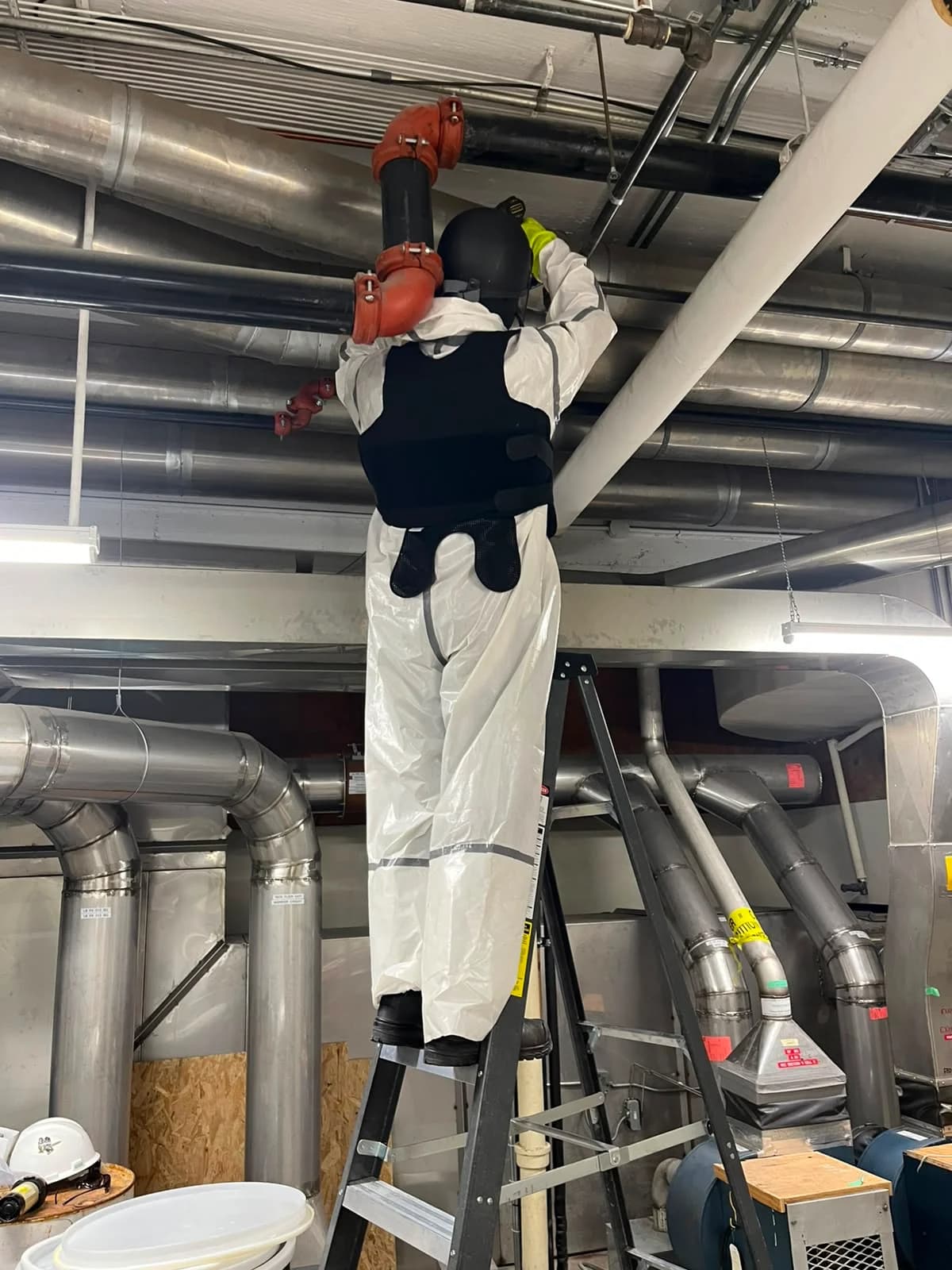
Chemical Fume Hood Inspection Service
A chemical fume hood inspection service should record the hood's condition and the room conditions during testing. Sash position, internal equipment, supply air and controls can affect performance. Findings are compared with the agreed criteria, with corrective work and retesting identified where needed.
- Equipment identification and test conditions
- Face velocity measurements and airflow visualization
- Sash, monitor and alarm checks within scope
- Containment testing where specified
ASHRAE 110 Fume Hood Testing
ASHRAE 110 fume hood testing evaluates containment using defined test methods. We confirm whether the project requires routine airflow checks, a full containment test or both before the site visit.
ASHRAE 110 Testing ServiceAnnual Fume Hood Recertification
An annual fume hood recertification program keeps test results connected to each equipment record. Your team can compare findings over time and plan follow-up work around laboratory access. Reports distinguish passing results from items that require correction or further investigation.
Annual fume hood certification provides a regular performance record. The inspection interval and acceptance criteria depend on the facility's program and applicable requirements. Additional testing may be needed after repairs, relocation or changes to ventilation.
VAV Air Balancing for Lab HoodsTesting and certification questions
Need a more specific answer?
Talk to our team
What is the difference between fume hood testing and certification?
Testing measures hood performance under recorded conditions. Certification documents whether the specified checks meet the facility's acceptance criteria. The report should state the methods and results; a certification label alone does not show that a full ASHRAE 110 containment test was performed.
How often should a chemical fume hood be certified?
Many facilities schedule testing annually, with additional checks after a move, repair or ventilation change. Your EHS team should set the interval and test scope for the equipment and hazards involved.
Who certifies fume hoods?
Testing should be performed by personnel with suitable training, methods and calibrated instruments for the specified scope. Ask the contractor to document relevant qualifications, instrument calibration and the reporting included before booking.
What is included in a chemical fume hood inspection?
Typical checks cover hood condition, sash position, airflow measurements, smoke visualization and monitor or alarm operation. Quantitative tracer gas testing is included when specified. Results are compared with the applicable criteria and recorded for each hood, with corrective work identified where needed.
Why is my fume hood low-airflow alarm going off?
Possible causes include a sash position outside the operating range, an exhaust restriction, fan or control faults, or a monitor problem. Treat the alarm as a potential ventilation failure. Follow the lab's response procedure and have the airflow checked before resuming hazardous work.
What should you do if a fume hood fails inspection?
Stop hazardous work in the hood and notify EHS or the building team. Follow the facility's procedure for securing the process and restricting use. The failure findings should guide repairs, balancing or control adjustments, followed by the required retest before the hood returns to service.
Request Fume Hood Testing & Certification
Send your hood count, locations and testing requirements. We will confirm the visit scope and reporting.
Testing and certification