
VAV Air Balancing for Lab Hoods
VAV air balancing for lab hoods and velocity profiling investigate unstable airflow, recurring alarms and room pressure problems. We measure the hood and connected ventilation, identify the required adjustments and verify performance after the agreed corrective work.
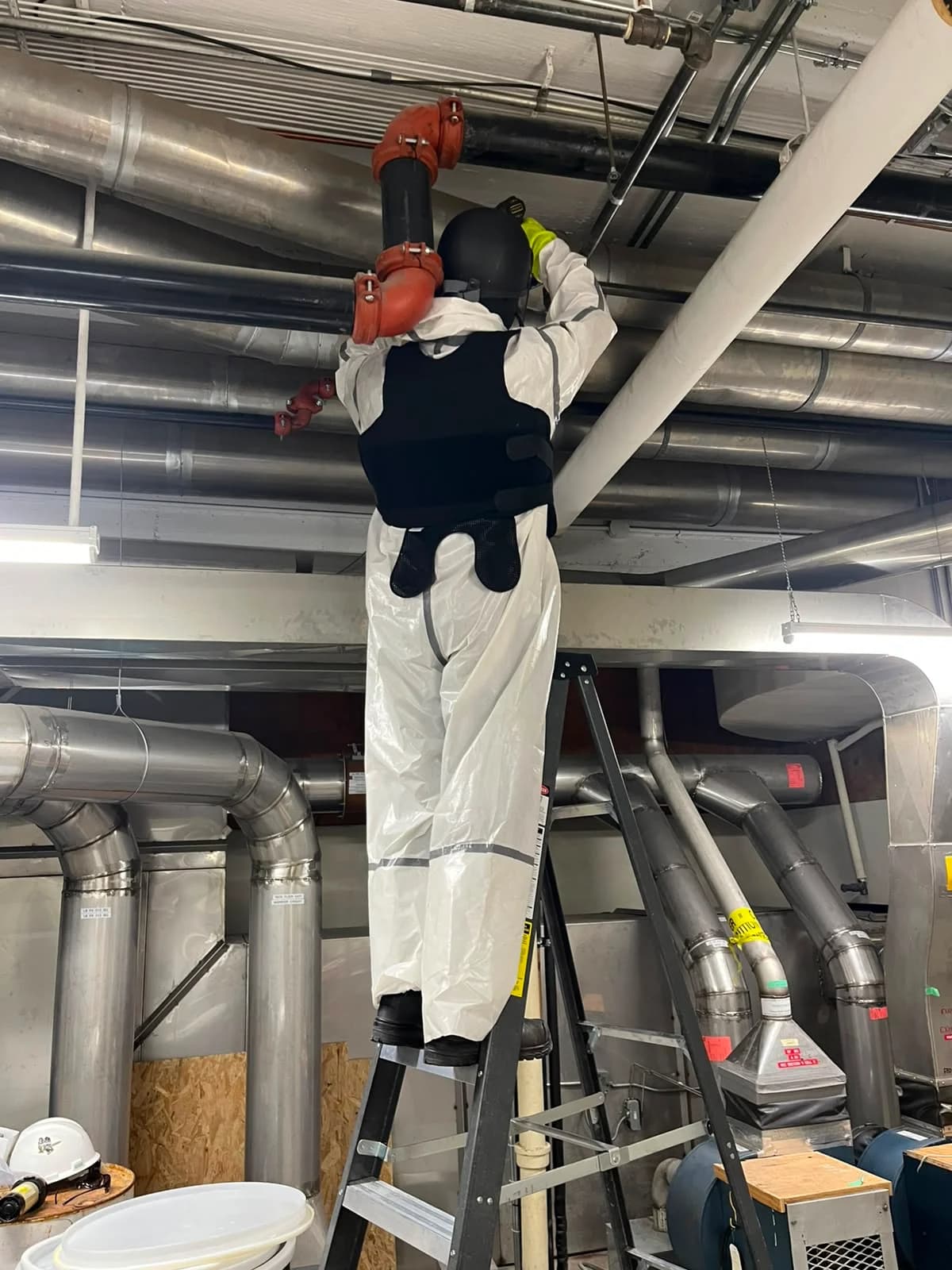
Fume Hood Velocity Profiling
Fume hood velocity profiling measures airflow across the sash opening. The profile can reveal uneven flow that an average value hides. Measurements are recorded with the sash position and equipment setup so the results remain useful for comparison.
VAV Air Balancing for Lab Hood Systems
VAV air balancing for lab hood systems considers exhaust flow, room supply air and the response of the controls as the sash moves. Our assessment records the operating conditions and checks how the hood interacts with the room. Findings guide the balancing scope and the verification needed after adjustments.
NEBB's laboratory design guidance explains that VAV exhaust changes with demand and that minimum hood airflow needs a risk assessment involving laboratory safety and engineering personnel. NEBB design and control guidance (opens in a new tab).
Laboratory Air Balancing Contractor
A laboratory air balancing contractor needs to consider the connected system as well as the hood showing the problem. Supply diffusers, exhaust branches, fan operation and pressure controls may all affect performance. We coordinate the investigation with your facility team and identify work that needs a controls or mechanical specialist.
Fume Hood Alarm Calibration Service
A fume hood alarm calibration service checks monitor indications against suitable reference measurements. The scope can include sensor condition, alarm settings and response checks. Persistent alarms need investigation of the airflow itself as well as the monitor.
Exhaust Fan Synchronization & Duct Pressure Checks
Duct pressure and fan checks help establish whether the network can support the required operating conditions. The balancing plan accounts for other hoods and rooms connected to the same system.
Adjust Fume Hood Face Velocity
Work to adjust fume hood face velocity should follow the equipment design and facility criteria. We review control settings and system conditions before changes are made, then repeat the specified checks to assess the result.
Airflow and VAV balancing questions
Need a more specific answer?
Talk to our team
What does VAV air balancing for laboratory fume hoods include?
VAV balancing checks and adjusts exhaust flow, room supply air and controls against the ventilation design. Work can include face velocity profiling, pressure checks, sash-response testing and monitor calibration. The report records adjustments and the performance checks completed afterward.
What face velocity is appropriate for a fume hood?
Use the range specified for the hood and its assessed use. Higher velocity is not automatically better because turbulence can affect containment. Measurements should be evaluated alongside the test conditions and other performance checks.
How does room supply air affect fume hood performance?
Supply air replaces exhausted air and affects room pressure. Poor diffuser placement or strong cross-drafts can disturb airflow at the hood opening. Balancing must consider room supply and exhaust together, rather than adjusting the hood in isolation.
Why does fume hood airflow change when the sash moves?
A VAV system changes exhaust volume as the sash opening changes to maintain its specified operating conditions. Brief transitions differ from persistent instability. Slow response, faulty sensors or insufficient exhaust capacity can cause fluctuations and need investigation.
How are digital fume hood airflow monitors calibrated?
A technician compares monitor readings with independent measurements from calibrated instruments and follows the manufacturer's calibration procedure. Alarm operation is checked against the approved settings. Calibration cannot correct an underlying exhaust or containment problem.
Can VAV air balancing reduce laboratory energy use?
Correctly controlled VAV systems can reduce exhaust and replacement-air demand at lower sash openings while maintaining required minimum flows. Savings depend on the system design, controls and operating patterns. Airflow reductions must preserve containment, room pressure and ventilation requirements.
When should laboratory airflow be rebalanced?
Consider an assessment after hood removal, equipment additions, ventilation changes, recurring alarms or failed performance checks. The facility team can determine whether balancing, controls work or another correction is needed before retesting.
How is performance verified after VAV adjustments?
Technicians repeat the specified airflow, pressure, alarm and sash-response checks at the required operating positions. Containment testing is included where specified. The report compares results with the design and facility criteria and identifies unresolved faults.
Book Airflow Profiling & Air Balancing Services
Tell us which hoods alarm or fail testing and describe any recent ventilation changes.
Airflow and VAV balancing