
Lab Facility Decommissioning Services
Our lab facility decommissioning service covers ductwork isolation and exhaust capping before renovation or equipment removal. We assess the affected components, coordinate the work with your facility team and document the checks required for the remaining system.
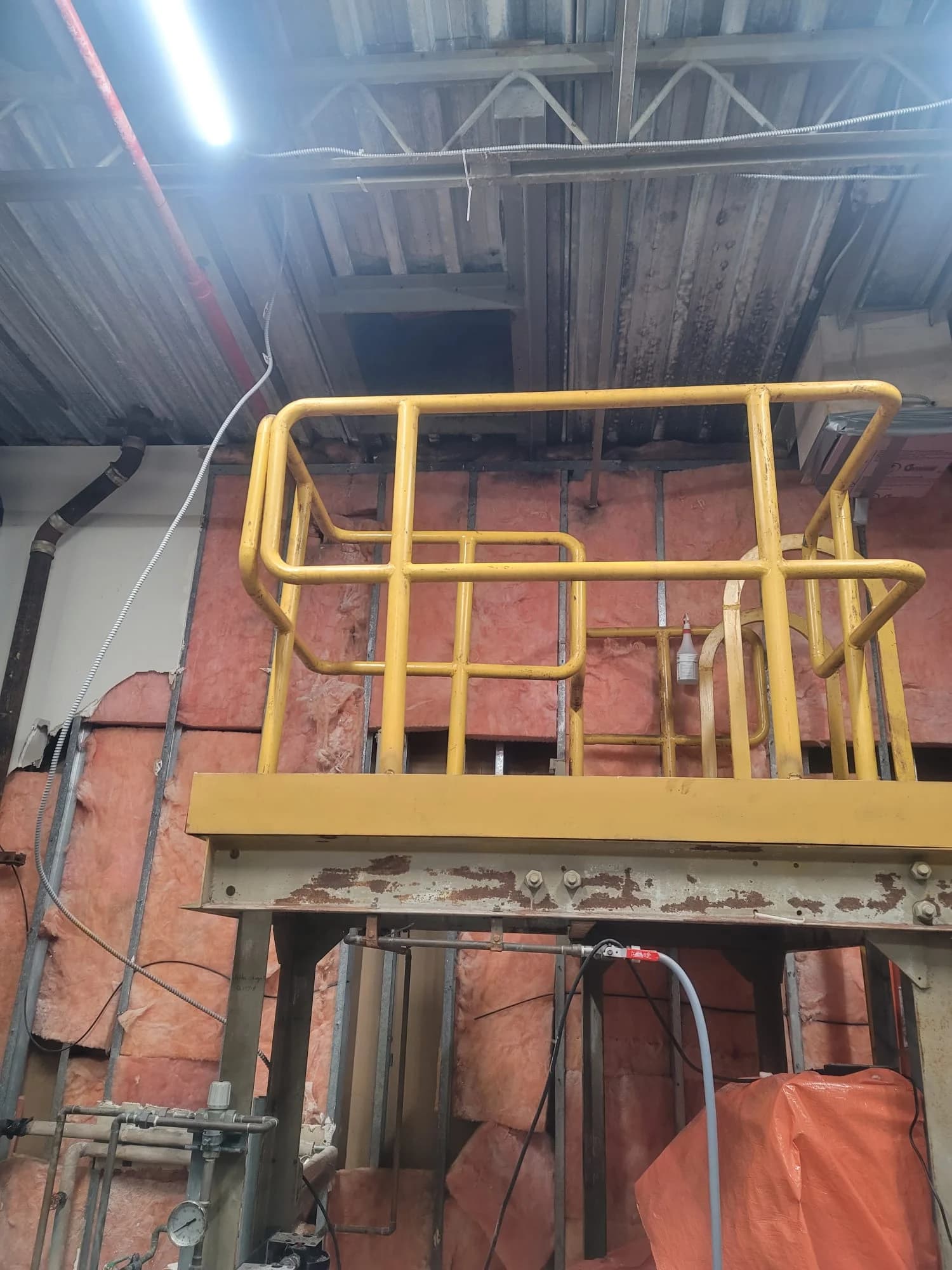
Lab Ductwork Isolation Decommissioning
Lab ductwork isolation decommissioning protocols must address the system's actual configuration. The plan defines access, contaminated sections, isolation boundaries and the roles of EHS, facility engineers and the trades carrying out the work.
A lab facility decommissioning service begins with the exhaust layout, equipment history and planned alterations. We identify the components included in the work and the laboratories that may be affected. Contamination assessment and isolation requirements are established before intrusive work is authorized.
MIT's lab cleanout guidance calls for perchlorate checks on relevant fume hood ductwork and an Industrial Hygiene review when a hood or duct is to be dismantled. MIT EHS lab cleanout guidance (opens in a new tab).
Safely Disconnect Fume Hood Exhaust
Work to safely disconnect fume hood exhaust requires a review of chemical residues, energy sources and shared connections. The approved sequence must account for active laboratories and the verification needed before the next activity.
Lockout/Tagout & Exhaust Fan Static Rebalancing
Energy isolation and exhaust adjustments require coordination with the people responsible for the building system. Removing one branch can change conditions elsewhere, so the project defines any pressure, airflow or containment checks needed on the remaining equipment.
Hazardous Exhaust Duct Capping for Labs
Hazardous exhaust duct capping for a lab renovation establishes a defined separation from the remaining system. The materials, access and closure method depend on the duct configuration and contaminants. Records identify the isolated branch, the work completed and the checks performed.
VAV Air Balancing for Lab HoodsLab Demolition EHS Clearance
A lab demolition EHS clearance report should describe the areas assessed, treatment results and isolation status. Your facility's approving team reviews the records against the demolition scope and any remaining restrictions.
Facility decommissioning questions
Need a more specific answer?
Talk to our team
What must be assessed before fume hood ductwork is disconnected?
Review the chemical history, contamination status, exhaust layout, shared connections and energy sources. The facility team must define the work boundaries, required controls and verification before intrusive work begins.
How does removing a fume hood affect the remaining ventilation?
A branch removal can change the operating conditions of a shared exhaust system. The effect depends on its fans and controls. The assessment identifies whether balancing or additional performance testing is needed on the remaining equipment.
Why must an abandoned exhaust branch be isolated?
An unused branch needs an appropriate closure to separate it from the remaining system and the work area. The design must account for contamination, airflow and future access. The closure method is agreed with the facility team.
What is Lockout/Tagout during exhaust system decommissioning?
Lockout/Tagout controls hazardous energy to prevent unexpected startup or release during work. Authorized personnel identify energy sources, isolate equipment and verify isolation under the site's procedure. For shared exhaust systems, shutdown planning must also address the ventilation needs of laboratories that remain active.
How are chemical residues assessed before ductwork removal?
Chemical-use history and available records inform an inspection and sampling plan. Access limitations are part of that assessment. Suspect ductwork should not be opened simply to obtain a sample without a suitable work plan.
What isolation and verification records are provided?
The scope may include component identification, isolation boundaries, contamination findings, treatment records and post-work airflow checks. The handover identifies what was assessed and any conditions affecting the next trade.
Contact Our Lab Decommissioning Specialists
Send the exhaust drawings, hood location and planned alteration so we can scope isolation and verification.
Facility decommissioning